






Exposing autocratic abuses. Defending democratic rights.

Bickett Law & Policy Bickett Law & Policy
Policy Legal
Reports Media Client Advisories Substack (opens in a new tab)
Bio
Contact
Green folding shop gate with cut-out patterns

Exposing autocratic abuses. Defending democratic rights.

For NGOs, activists, and governments

Policy & Investigations

Research, legislative advocacy, and investigations on human rights, sanctions, and authoritarianism.

Explore
For individuals & families

Legal Representation

Immigration, labor disputes, and federal litigation, including asylum, visa/green card applications, and worker protections.

Explore
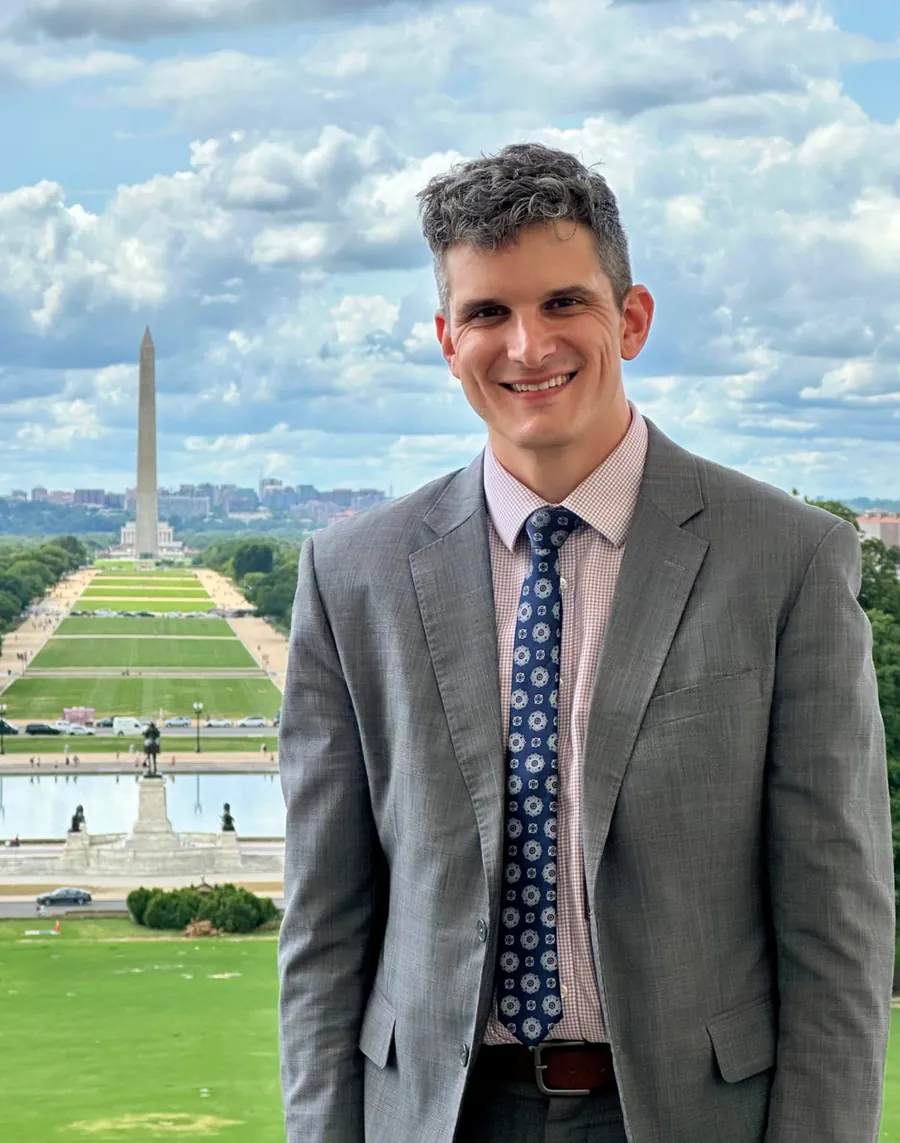
Samuel Bickett in Washington, DC
Managing Attorney

Samuel Bickett

Samuel Bickett is a lawyer and advocate whose career has been split between the US, Hong Kong, and Taipei, including years of involvement with the Hong Kong democracy movement. He pairs government advocacy in the US and abroad with a legal practice focused on immigration, federal labor law, and defending clients in court.

He represents members of communities who have fled persecution in US legal matters, with particular emphasis on Hong Kong and China. He also convenes the US-Hong Kong Policy Roundtable and has regularly testified on Hong Kong and China issues before Congress and democratic parliaments.

Full bio

Latest

Client AdvisoriesHongkongers under DED
Client advisory · October 6, 2026

Bill Introduced in Congress to Give DED Hongkongers Permanent Residence

What the Hong Konger Promise of Refuge Act would do, and what it does not change today.

Report · Hong Kong Watch · September 2026

Through the Cracks

How loopholes in US sanctions let Western investors pour billions into China's military-industrial complex. With Thomas Benson.

Substack · October 1, 2026

“This conversation never happened”: How Hong Kong Cleared Its Streets Before China's National Day

On the warning calls national security police made ahead of October 1.

Back to start
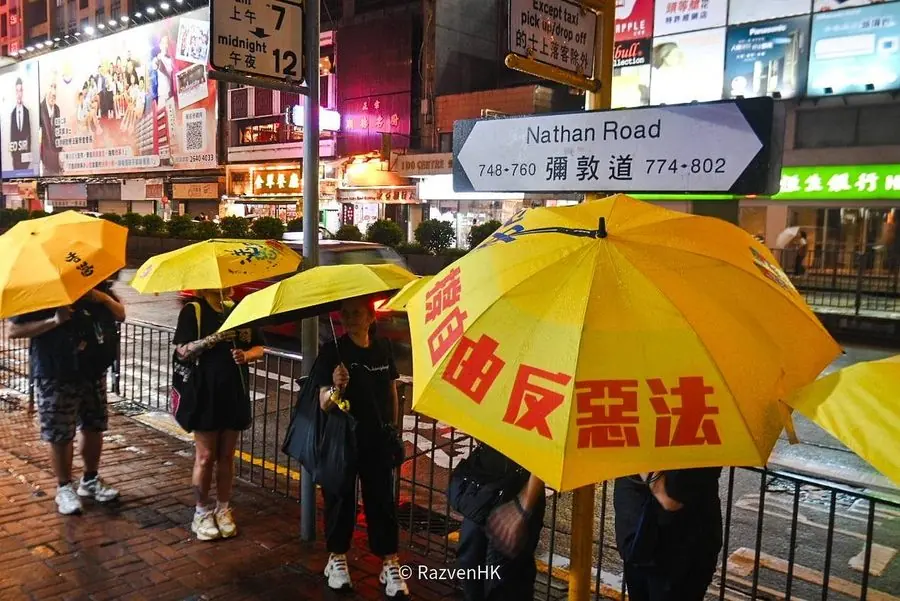
Lion Rock in Hong Kong with the 2014 Umbrella Movement banner reading “I want genuine universal suffrage”
For NGOs, activists, and governments

Policy & Investigations

We work with NGOs, activists, and democratic governments to investigate repression and sanctions evasion, develop advocacy campaigns, and shape policy.

Discuss a project
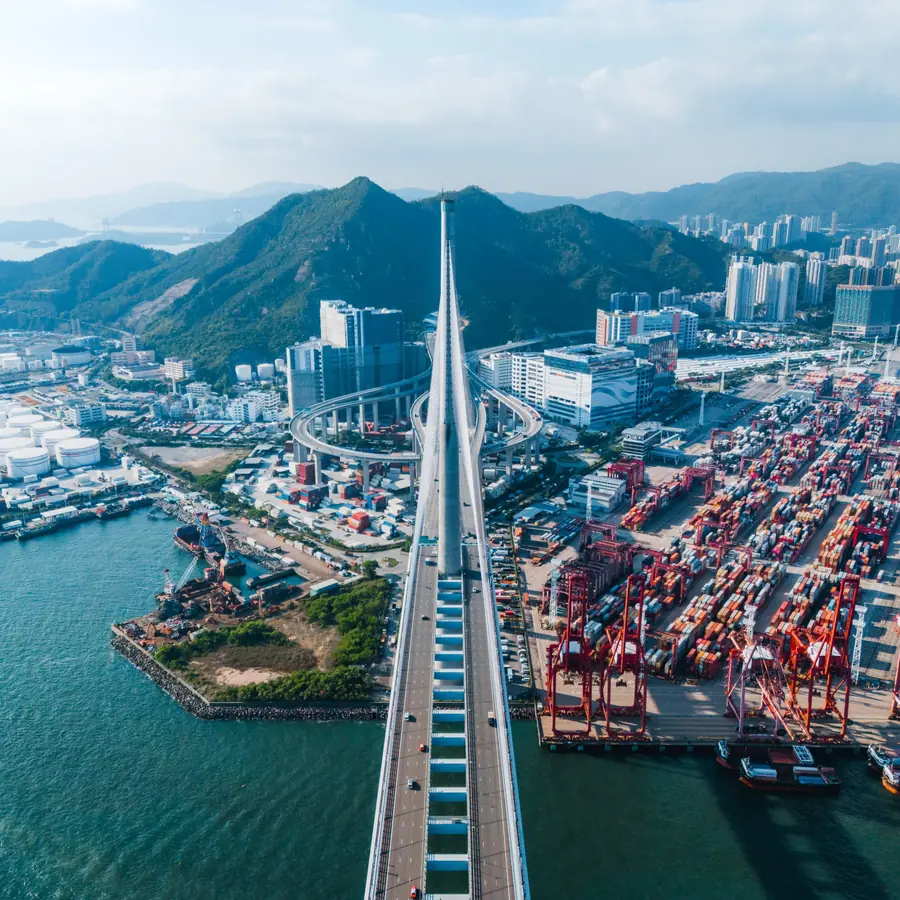
Aerial view of Stonecutters Bridge and the Kwai Tsing container terminals in Hong Kong
  • Legislative advocacy & policy consulting

    We help organizations and governments shape legislation and policy, from strategy and drafting to meetings with officials. We have worked on numerous Hong Kong and China bills related to sanctions, political prisoners, immigration protections, and transnational repression. We also convene the US-Hong Kong Policy Roundtable and have testified in Congress and in parliaments abroad.

  • Sanctions & export control investigations

    We investigate how sanctioned regimes evade controls and produce evidence governments and journalists can act on. Our reports have traced Western technology, oil, and money through Hong Kong to Russia, Iran, North Korea, and Venezuela, and have led to new US and EU sanctions.

  • Human rights research & reporting

    We document abuses through interviews, court records, and public records requests, and build reports around specific advocacy goals. We have reported on Hong Kong's prisons, courts, and eroding transparency. Two British judges resigned from Hong Kong's top court within weeks of a report we co-authored.

  • Transnational repression & foreign influence

    We research and advise on how authoritarian governments pressure critics and diaspora communities abroad, and how democracies can respond. Our work has examined how Beijing and Hong Kong target Hongkongers overseas and the role of Hong Kong's official offices abroad.

Reports

Investigative seriesIn partnership with CFHK Foundation

Illicit Hong Kong

Four reports by Samuel Bickett for the Committee for Freedom in Hong Kong Foundation, tracing how Hong Kong became a global hub for sanctions evasion that moves Western technology, oil, and money to Moscow, Tehran, and Pyongyang.

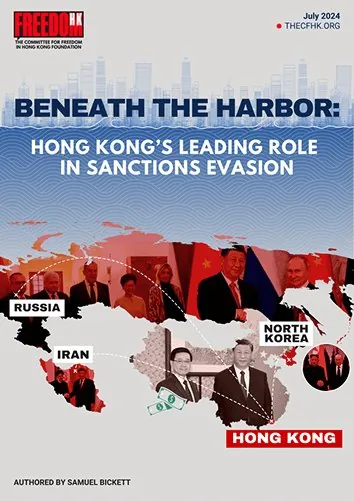
  1. Cover of Beneath the Harbor
    01

    Beneath the Harbor

    Hong Kong's leading role in sanctions evasion for Russia, Iran, and North Korea.

    July 2024
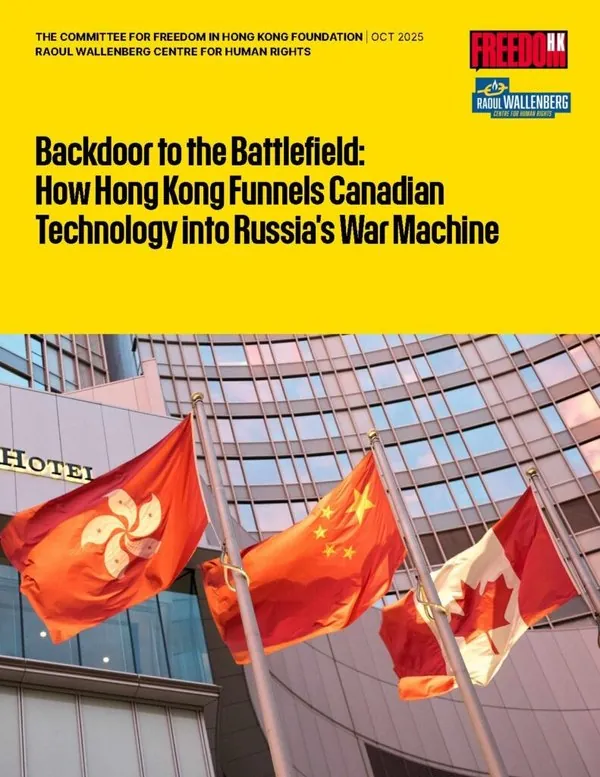
  2. Cover of Backdoor to the Battlefield
    02

    Backdoor to the Battlefield

    How Hong Kong funnels Canadian technology into Russia's war machine.

    October 2025 · Co-published with the Raoul Wallenberg Centre for Human Rights
  3. Cover of Bypassing the Blockade
    03

    Bypassing the Blockade

    How Hong Kong feeds European technology into Russia's war in Ukraine.

    February 2026 · With Chloe Cheung
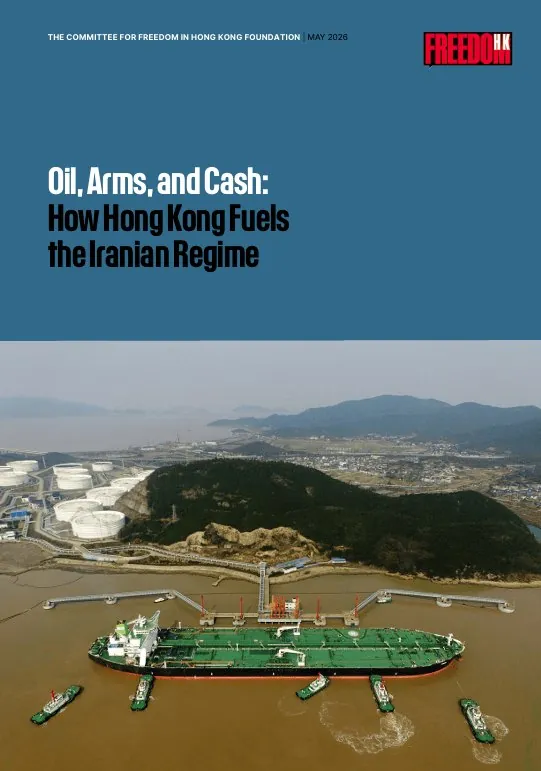
  4. Cover of Oil, Arms, and Cash
    04

    Oil, Arms, and Cash

    How Hong Kong fuels the Iranian regime.

    May 2026

ImpactCompanies named in the series have since been sanctioned by the US and the EU. Within four months of Beneath the Harbor, the US sanctioned or blacklisted five Hong Kong companies it named, including Piraclinos Limited, and the EU sanctioned two of them in February 2025. In April 2026, the EU sanctioned seven companies named in Bypassing the Blockade. Samuel has presented the series' findings before several Congressional committees and the Canadian House of Commons.

The series at CFHK
Cover of Through the Cracks
Hong Kong Watch · September 2026

Through the Cracks

How loopholes in US sanctions let Western investors pour billions into China's military-industrial complex.

Co-authored with Thomas Benson

Oil tanker at sea
China Strategic Risks Institute · May 2026

Hong Kong and the Shadow Fleet

How one city helped sustain Maduro's oil trade.

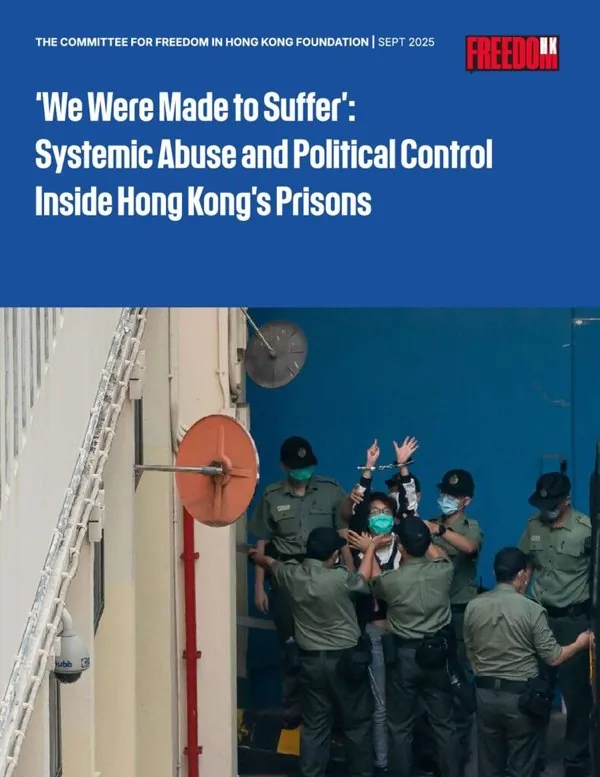
Cover of We Were Made to Suffer
CFHK Foundation · September 2025

“We Were Made to Suffer”

Systemic abuse and political control inside Hong Kong's prisons, documented through testimony from former prisoners.

With Frances Hui

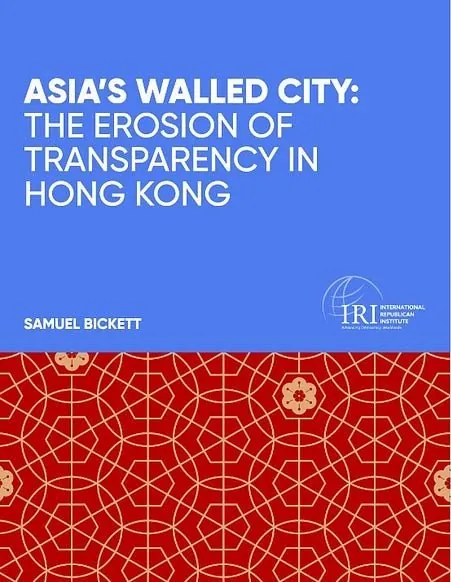
Cover of Asia's Walled City
International Republican Institute · December 2024

Asia's Walled City

The erosion of government transparency in Hong Kong under the national security crackdown.

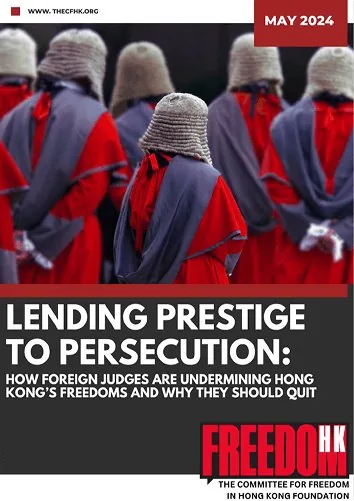
Cover of Lending Prestige to Persecution
CFHK Foundation · May 2024

Lending Prestige to Persecution

How foreign judges are undermining Hong Kong's freedoms, and why they should quit.

Back to start
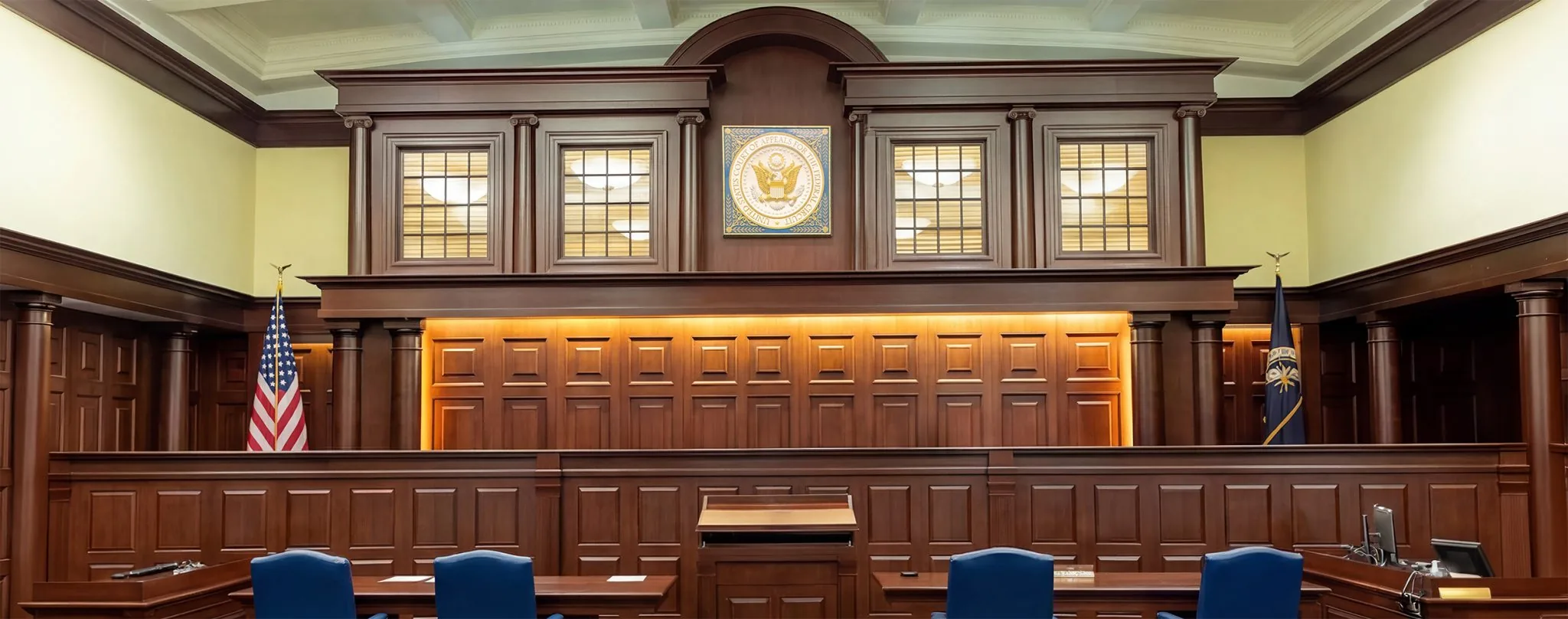
Federal appeals courtroom with the judges’ bench and the court seal
For individuals & families

Legal Representation

Full-service legal representation for Hongkongers and other diaspora communities, immigrants, refugees, and anyone navigating the US legal system, delivered through cost-conscious models built to expand access to justice.

Reduced ratesWe offer significantly reduced rates for members of Hong Kong and other diaspora communities displaced by authoritarian repression.
Request a consultation Client AdvisoriesOur latest guidance for clients →
  • Detention & removal defense

    When ICE detains someone, days matter. We seek release on bond, coordinate habeas petitions in federal court, move to terminate removal proceedings, and otherwise represent clients in immigration court.

  • Humanitarian immigration

    Protection for people who cannot safely return home, including asylum, Deferred Enforced Departure, Temporary Protected Status, and refugee admissions.

  • Green cards & visas

    Family and employment pathways to live and work in the United States, whether you apply from inside the country or through a US consulate abroad.

  • Labor & worker protections

    Representation in wage theft, discrimination, and retaliation matters, including complaints to the US Department of Labor's Wage and Hour Division.

  • Federal litigation & legal advice

    Advice on federal and international law, representation in federal cases involving harm caused by autocratic regimes and their associates, and select civil litigation arising from abuse of power, exploitation, or systemic injustice.

Back to start
Samuel Bickett in Washington, DC
Managing Attorney

Samuel Bickett

Samuel Bickett is a lawyer and advocate specializing in human rights and sanctions policy, immigration, and federal court advocacy, with a particular focus on Hong Kong and China.

Based in Washington, DC, Samuel works with governments in the US, Europe, and Canada to support Hong Kong and Chinese dissidents at home and around the world. He is the convenor of the US-Hong Kong Policy Roundtable, a collaboration forum for Hong Kong advocacy organizations, and has regularly testified on Hong Kong and China issues before Congress and democratic parliaments.

He regularly represents members of communities who have fled persecution in US legal matters, with particular emphasis on Hong Kong and China. Much of that work is in immigration proceedings: seeking asylum and other humanitarian protection, and defending people detained by immigration authorities in immigration court and in federal court. His practice extends to green card and visa matters, labor disputes, and other federal court and non-court legal matters.

His investigations trace how Western technology, oil, and money reach sanctioned regimes through Hong Kong. He wrote the four reports in the Committee for Freedom in Hong Kong Foundation's Illicit Hong Kong series, and his investigations have led to new US and EU sanctions against Hong Kong-based sanctions evaders. He also co-authored Through the Cracks for Hong Kong Watch and wrote Hong Kong and the Shadow Fleet for the China Strategic Risks Institute.

His human rights research focuses on Hong Kong and Chinese abuses, with particular emphasis on the courts and prisons. In May 2024, he co-authored Lending Prestige to Persecution, which documented how the foreign judges on Hong Kong's Court of Final Appeal lend credibility to national security prosecutions and called on them to resign. Within weeks of its release, two British judges, Lord Sumption and Lord Collins, resigned from the court. He has also written on Hong Kong's prisons in “We Were Made to Suffer” (2025, with Frances Hui) and on government transparency in Asia's Walled City (International Republican Institute, 2024).

Before founding Bickett Law & Policy, he spent years as a corporate lawyer and litigator in the US, Hong Kong, Taiwan, and Singapore with Ropes & Gray and Freshfields Bruckhaus Deringer, where he advised on white collar investigations, corruption, securities litigation, sanctions, and cross-border regulatory matters. He speaks Mandarin Chinese.

Samuel actively supported Hong Kong's 2014 and 2019 democracy movements. In 2019, he was arrested and imprisoned, ultimately serving two stints as a political prisoner before being expelled by the Hong Kong government in 2022.

Admitted in Massachusetts and practicing federal law nationwide.

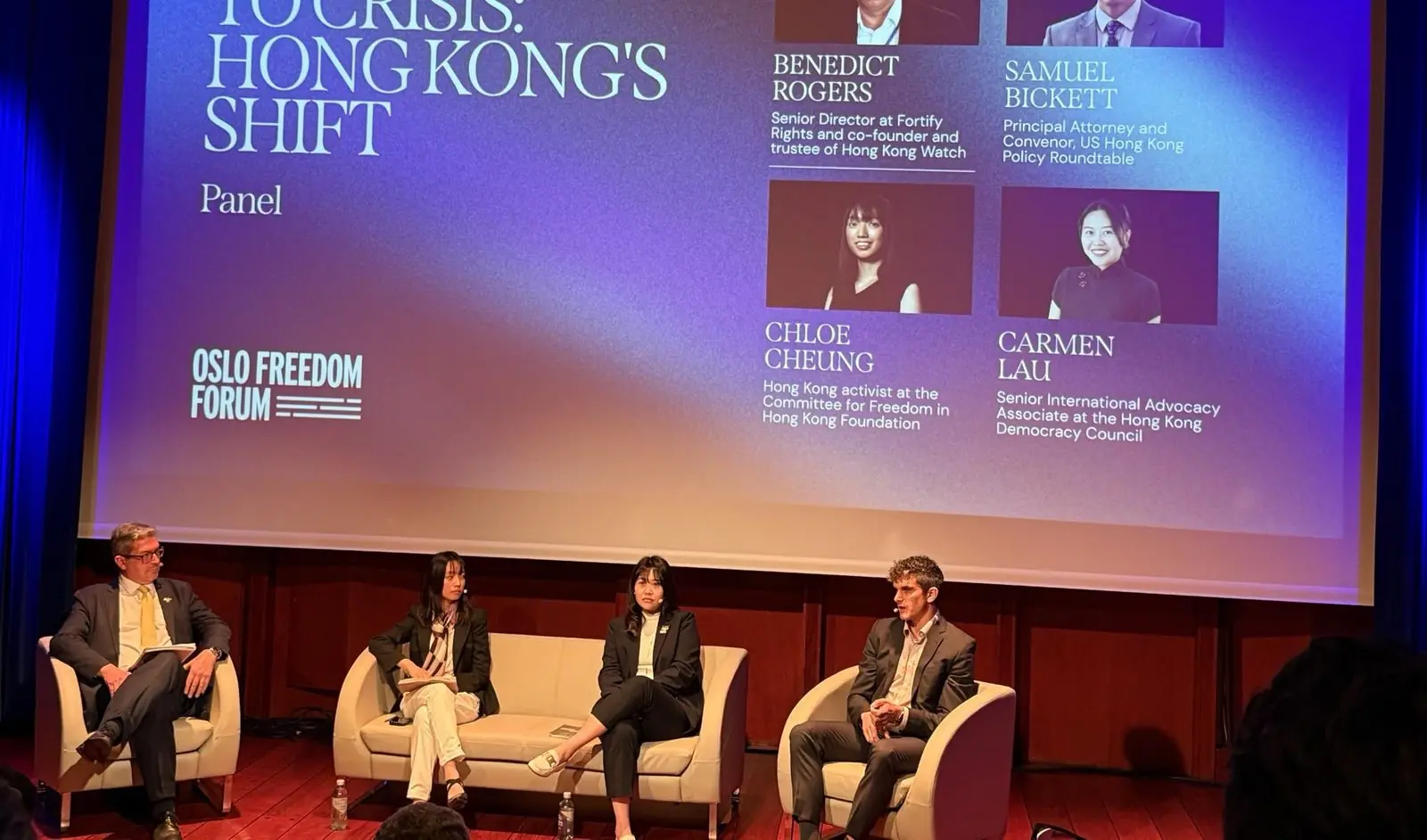
Samuel Bickett on a Hong Kong panel at the Oslo Freedom Forum
Speaking on Hong Kong at the Oslo Freedom Forum, May 30, 2025.
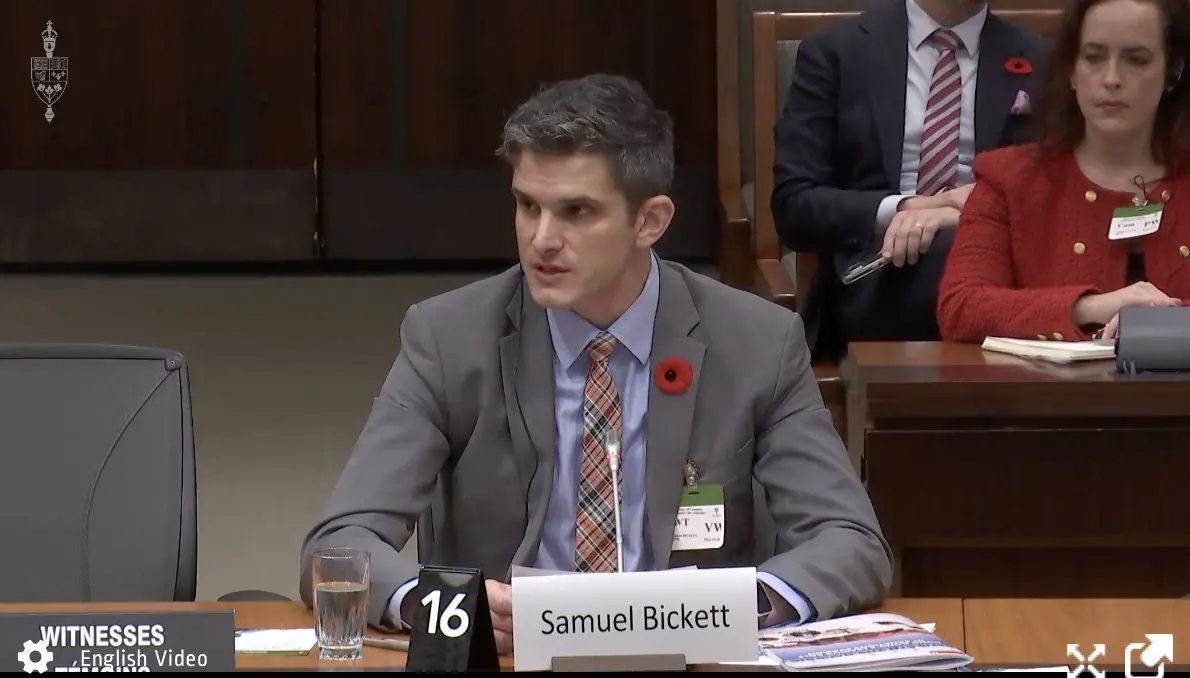
Samuel Bickett testifying before a parliamentary committee
Testifying before Canada's House of Commons, October 28, 2024.
Samuel Bickett on a footbridge in Hong Kong
In Hong Kong.
Letters of support Samuel Bickett received in prison
Letters of support he received in prison in Hong Kong.
Back to start
For clients & the Hong Kong community

Client Advisories

Guidance we have issued on fast-moving immigration developments, especially for Hongkongers under Deferred Enforced Departure (DED). Each advisory reflects the law and the facts on the date it was issued, so start with the most recent.

  1. October 6, 2026
    Legislative advisory

    Bill Introduced in Congress to Give DED Hongkongers Permanent Residence

    The Hong Konger Promise of Refuge Act would let Hongkongers under DED and their families apply for green cards. What the bill would do, what it does not change today, and its odds of passing.

    Read online English · PDF 粵語 · PDF
  2. September 19, 2026
    Travel advisory

    Updated Safety Alert for Hongkongers Under Deferred Enforced Departure

    ICE detentions of DED holders are continuing. Updated travel guidance, and what to plan for before DED ends on February 5, 2027.

    Read online English · PDF 粵語 · PDF
  3. August 1, 2026
    Travel advisory

    Safety Alert for Hongkongers Under Deferred Enforced Departure

    ICE has stepped up operations at US airports. Why DED holders should avoid air travel, how to prepare with a lawyer, and what to do if detained.

    Read online English · PDF
  4. May 22, 2026
    Immigration policy update

    A New USCIS Policy Brings Sweeping Changes for Green Card Applications Filed Inside the US

    A new USCIS policy memo makes adjustment of status harder to obtain. What is clear, and what is still unknown.

    Read online English · PDF
  5. November 2025
    Guidance

    Updates and Guidance for Hongkongers Under Deferred Enforced Departure

    What DED does and does not do, recent policy changes, and the risks Hongkongers under DED still face.

    Read online English · PDF 繁體中文 · PDF

These advisories are general information for the community. They are not legal advice about any individual situation and do not create an attorney-client relationship. To discuss your case, request a consultation.

Client Advisories
Legislative advisory · October 6, 2026

Bill Introduced in Congress to Give DED Hongkongers Permanent Residence

English · PDF 粵語 · PDF

The web version of this advisory is in English. A Chinese PDF is available above.

Today, Senator Jeff Merkley (D-OR) introduced the Hong Konger Promise of Refuge Act in the Senate, and Representative Jim McGovern (D-MA) introduced a companion bill in the House. The bill would allow Hongkongers in the United States under Deferred Enforced Departure, together with their families, to apply for permanent residence. DC-based Hong Kong organizations are announcing their support today as well. We have worked with congressional offices on this legislation for over a year, and while passage remains very challenging, we consider it the most viable policy path currently available to Hongkongers under DED.

What the Bill Does

  • Green cards for DED Hongkongers and their families. Anyone covered by the August 2021 DED memorandum or its 2023 and 2025 extensions could apply to USCIS for a green card, along with spouses, children, and unmarried adult sons and daughters.
  • One year to apply. The application window would close one year after the bill becomes law.
  • Protection from detention and removal while you wait. Once you file, you could not be detained, removed, or placed in removal proceedings while your application is pending. If your application is approved, any existing removal order against you would be canceled.
  • Work authorization. Once you apply, you would be able to obtain work authorization while you wait.

To qualify, you must meet certain requirements: continuous residence in the United States since January 15, 2025, with no more than 180 days of authorized absences, no return to Hong Kong or mainland China since that date, and no felony or multiple misdemeanor convictions.

What the Bill Does Not Do

  • It changes nothing today. A bill is not a law. DED still ends on February 5, 2027, and DED-based work permits still expire that day.
  • It does not stop ICE from detaining you. Arrests and detentions of DED holders continue, and the introduction of this bill does not affect them.
  • It does not extend any deadline. The one-year asylum filing deadline, your court dates, and every other filing deadline are unchanged.

Passage is Possible, but Still a Long Shot

Congress has done something similar before. After the Tiananmen Square crackdown, the Chinese Student Protection Act of 1992 gave permanent residence to Chinese nationals protected by an executive order, with support from both parties. And during the first Trump administration, a provision giving Liberian DED beneficiaries a one-year window to apply for permanent residence was included in the 2020 National Defense Authorization Act.

Even so, the odds are long. Standalone immigration bills rarely become law. The realistic path, as with the Liberian provision, is inclusion in a larger must-pass bill, which requires convincing congressional leadership and the relevant committee chairs that the provision belongs there. Cosponsors are what make that case: the more members who sign on, and the more bipartisan the list, the harder the bill is to leave out. Passage before February 5, 2027 remains unlikely.

Treat the bill as an additional hope, not as your plan. Keep preparing on the assumption that DED ends on schedule: keep evaluating asylum, family, employment, and other options with a lawyer, keep your documents and emergency contacts in place in case you are detained, and keep following our travel guidance.

What to Expect Next

  • Public promotion. Hongkonger organizations will promote the bill publicly in the coming days and weeks. If you are active in your local community and have existing contact with local media or political representatives, you should feel free to reach out on your own.
  • The push for cosponsors. The immediate goal is cosponsors in both chambers and both parties. The number of cosponsors has a significant effect on whether the bill moves at all.
  • A platform for writing to Congress. Next week, we will launch a platform where you can find your own representatives' contact information and ask them to cosponsor. We will share the link when it is ready.

Please share this notice with people who need it.

This message is provided for general informational purposes. It is not legal advice, and receiving it does not create an attorney-client relationship. Immigration outcomes depend on individual facts. Please consult a qualified immigration attorney about your specific circumstances. For any questions, contact us.

Client Advisories
Travel advisory · September 19, 2026

Updated Safety Alert for Hongkongers Under Deferred Enforced Departure

English · PDF 粵語 · PDF

The web version of this advisory is in English. A Chinese PDF is available above.

Our August 1, 2026, travel advisory warned Hongkongers under DED against nonessential air travel, including domestic flights, after ICE began detaining DED holders at airports. We are updating it because the detentions continue, DED ends in under five months, and many Hongkongers are still traveling.

Some Hongkongers are under the mistaken impression that the people arrested must have broken DED rules. They have not. In cases we have litigated for detained Hongkongers, the official position DHS has taken in its court filings is that even fully compliant DED holders should be detained until DED expires on February 5, 2027, then deported. Following DED rules does not protect you from detention.

Travel

  1. Do not fly within the US unless it is critical. If ICE has the resources at your airport, they will detain you. This includes holiday trips.
  2. Ground travel is safer, but not risk-free. Border Patrol checks highways, buses, and trains, especially near the borders. Avoid these routes where you can.
  3. If you are leaving the US permanently, fly directly out of the US. Do not connect through another US airport. In the cases we have seen, international departures face far less enforcement, though some risk remains.
  4. If you have proceedings in immigration court, talk to a lawyer before departing the US. If you miss your court date, you will be ordered removed, which can bar your return for years.
  5. If you go abroad, do not count on returning. This is true even if you have been granted DED advance parole documents.

When DED Ends

DED likely to end February 5, 2027. Based on our conversations with the White House, State Department, and DHS over the past year, the chance of another DED extension is very low, and a grace period after February 5 is unlikely. Plan now to change to another status or protection, leave the US, or otherwise ensure you understand the risks in staying without status.

Unlawful presence starts February 6, 2027. If you stay without another status, protection, or pending application, you will begin to build up “unlawful presence.” This may change little day to day, since you are already treated as subject to arrest, but it matters if you later leave: after more than 180 days (from early August 2027), you can be barred from returning for 3 years, and after one year, for 10 years. Leaving before February 6 avoids both bars. Unlawful presence generally does not build up while an asylum application (if you do not work without permission) or green card application (Form I-485) is pending, or while you are under 18, but people with pending applications can still be detained.

Work permits end February 5, 2027. After that date, you cannot legally work based on DED, and your employer will need new proof that you can work.

Asylum has a one-year deadline. Asylum normally must be requested within one year of arrival. Most of you would need an exception, and the time allowed after DED ends is short and uncertain. If asylum may be an option, talk to a lawyer now and file before February 5.

Proposed legislation. We have worked with a US Senator’s office for over a year on a bill to let DED Hongkongers and their families apply for green cards, which will be introduced soon. It is unlikely to pass, but we consider it the most viable option on the table. After it is introduced, we will ask you to urge your members of Congress to support it.

If You Are Detained

You will not be released quickly. We continue to brief the State Department and sympathetic White House officials on Hongkonger detentions, but they have not been able to get DHS to release people immediately. Your lawyer will need to go to court for bond or a federal court ruling that your detention is illegal. This typically takes two to four weeks, sometimes much longer, and you stay detained the whole time. Depending on the court, release is not guaranteed.

Do not sign anything. Officers will press you hard to sign a “voluntary departure” form. It lets ICE put you on a plane to Hong Kong within days, without going to court. Politely and clearly say: “I do not agree to leave the United States. I fear returning to Hong Kong. I want to speak to my lawyer.” Then stop talking.

Prepare Now

  1. Get legal advice now. If you have an immigration lawyer you trust, contact them. If not, we are available. Whether you use us or another lawyer does not matter. What matters is understanding your options and risks well before February 5.
  2. Put your documents on file with a lawyer. Include your passport, work permit, proof of continuous US residence since January 15, 2025, pending USCIS applications, and A-number. Sign paperwork letting a trusted person act for you.
  3. Memorize two phone numbers. One for your lawyer, and one for a trusted friend or relative in the US with lawful status. You will not have your phone in detention.
  4. Before any trip, give that person your travel plans and a check-in time. If you miss it, they should call your lawyer immediately, since ICE moves detainees quickly.

Please stay safe and share this notice with people who need it.

This message is provided for general informational purposes. It is not legal advice, and receiving it does not create an attorney-client relationship. Immigration outcomes depend on individual facts. Please consult a qualified immigration attorney about your specific circumstances. For any questions, contact us.

Client Advisories
Travel advisory · August 1, 2026

Safety Alert for Hongkongers Under Deferred Enforced Departure

English · PDF

This advisory is currently available in English only.

Over the past month, ICE agents have significantly ramped up their operations at dozens of U.S. airports, including at check-in counters, boarding gates, and jetways. This affects both people with an expired visa status as well as those with valid legal protection and a work permit. We are aware that several Hong Kongers with DED are among those currently held in detention facilities even as no evidence suggests that they have violated any rules of the program. These arrests follow a clear pattern of ICE agents obtaining passenger information from either their TSA colleagues or commercial airlines. While we have previously cautioned Hong Kongers with DED against traveling internationally or to overseas U.S. territories with CBP checkpoints — such as Guam and the Northern Mariana Islands — this advisory now applies to domestic travel even entirely within the contiguous United States.

Separately, a growing number of Hong Kongers with valid DED have received Notices to Appear (NTA) in immigration court for removal proceedings, even though DED is specifically designed to protect them from removal.

To be clear: The DED program was first created on Aug. 5, 2021, and the current cycle remains in effect through Feb. 5, 2027. If you have complied with all published rules, you are lawfully present. This fact alone, however, is not currently stopping ICE detentions. Please take the following steps.

  1. Avoid all air travel unless absolutely essential. If a trip can wait, or can be done by car or train, do not fly.
  2. If you must fly, prepare with a lawyer beforehand. Have a lawyer ready who can act immediately if you are detained. Leave copies of your key documents with them, including, but not limited to: your passport, proof that you were in the U.S. on the day the current DED cycle was announced, proof of your continuous residence, and your work permit, as well as a copy of any pending USCIS application if you have one. Sign paperwork in advance designating someone to act on your behalf if you cannot. Carry your lawyer’s phone number on paper and memorize it; you will not be allowed access to your cell phone.
  3. If you are detained, sign nothing — especially nothing described as “voluntary departure,” no matter what ICE agents tell you. Politely and clearly declare: “I do not agree to leave the United States. I fear returning to Hong Kong. I want to speak to my lawyer.” Then stop talking.
  4. If you are not detained but receive a Notice to Appear, do not miss your court date. Your failure to appear will automatically result in a removal order against you. Contact a lawyer as soon as the notice arrives.
  5. Leaving the U.S. does not resolve a Notice to Appear. If you miss your court date, the removal order is issued anyway. This can make it very difficult to obtain a U.S. visa in the future and can cause problems entering other countries. Talk to a lawyer before making any decision to leave.

Two additional issues merit attention.

First, REAL ID requirements for air travel (and federal facilities) went into effect on May 7, 2025. If you attempt to go through a TSA checkpoint without valid documentation, you will be stopped. But this is unrelated to the recent surge of ICE activities at airports. In other words, even complying with REAL ID requirements does not prevent your detention.

Second, ICE agents have also been targeting asylum seekers, whose presence is otherwise lawful until a decision on their cases has been made. If you have an active application, you are advised to carry with you a copy of your I-589 Receipt Notice from USCIS or a copy of the first page of your court-stamped I-589 application. However, this documentation may not prevent your detention.

Please stay safe and share this notice with people who need it.

Further Reading

  • “ICE Arrests Surge at Airports, Opening New Front in Deportation Drive,” New York Times, July 28, 2026.
  • “ICE Arrests at US Airports Are Happening More Frequently, Attorneys Say. Here’s What We Know,” CNN, July 28, 2026.
  • “Asylum Seekers Could Be Sent Directly to Deportation Court Under New Rule,” Washington Post, July 28, 2026.

This message is provided for general informational purposes. It is not legal advice, and receiving it does not create an attorney-client relationship. Immigration outcomes depend on individual facts. Please consult a qualified immigration attorney about your specific circumstances. For any questions, contact us.

Client Advisories
Immigration policy update · May 22, 2026

A New USCIS Policy Brings Sweeping Changes for Green Card Applications Filed Inside the US

What is clear, and what is still unknown

English · PDF

This advisory is currently available in English only.

Yesterday, U.S. Citizenship and Immigration Services (USCIS) issued a policy memorandum (PM-602-0199) that changes how its officers approach adjustment of status — the process of applying for a green card from inside the United States rather than at a U.S. embassy or consulate abroad.

The clear result of this policy shift is that adjustment of status will be harder to obtain. What is not yet clear is how much harder, and how many applicants it will affect.

What the USCIS memo says

The USCIS memo recasts adjustment of status as an “extraordinary” benefit, granted as a matter of “discretion and administrative grace” rather than something an eligible applicant can simply expect to receive. Its effective impact is to establish a strong default in favor of consular processing — applying from abroad — and to treat applying from within the United States as the exception. The most important point to understand is that this presumption applies even when none of the usual negative factors are present. A clean record, on its own, is no longer enough, because the presumption against adjustment must itself be affirmatively overcome.

If implemented strictly, the new policy could affect hundreds of thousands of green card applications each year, causing long family separations and other challenges as applicants are forced to return to their home country to seek consular approval.

The memo does identify negative factors that weigh against an applicant — overstaying a visa, working without authorization, entering without inspection, or otherwise falling out of status — but it is explicit that the absence of those factors does not, by itself, entitle the applicant to adjust their status.

The practical consequence is that, at a minimum, anyone applying for adjustment of status will now need to affirmatively assert and document the positive factors in their favor — known as “equities,” such as family ties, length of residence, work and tax history, education, and community contributions. However, even this may not be enough to overcome the new presumption against US-based processing.

Some important exceptions remain. Refugees and asylees, along with certain other humanitarian categories, are decided under separate rules and remain entitled to approval if they qualify; this discretionary framework does not apply to them. Holders of “dual intent” work visas such as H-1B and L-1 also have more protection, because pursuing permanent residence is consistent with those statuses, though that, on its own, is not a guarantee of approval either.

What remains uncertain

A great deal is still unsettled. The memo sets the tone but leaves the details to implementation, and it is not yet clear how much harder approval will actually become — in particular, whether a strong showing of equities will be enough, or whether USCIS will begin denying adjustment far more broadly. That should come into focus over the coming weeks and months, including through any category-specific guidance the agency has signaled it may issue. A legal challenge to the policy also appears likely, but the Department of Homeland Security has broad discretion in this area, so applicants should not assume the courts will set it aside.

What it means in practice

For anyone with a pending or planned application:

  • Build the strongest possible record — plan to affirmatively present your equities rather than relying on eligibility alone.
  • Consider with your attorney whether consular processing is an option for you, and whether the downsides and longer wait times are outweighed by the risks of adjustment of status rejection in the U.S.
  • Be cautious about international travel without fully understanding the consequences for your particular situation, including unlawful presence bars or other situations that could prevent you from returning

We are watching this closely and will keep you informed as USCIS implements the policy and as any legal challenges develop. In the meantime, if you have any questions or concerns or would like to seek advice regarding your situation, please reach out.

This message is provided for general informational purposes. It is not legal advice, and receiving it does not create an attorney-client relationship. Immigration outcomes depend on individual facts. Please consult a qualified immigration attorney about your specific circumstances. For any questions, contact us.

Client Advisories
Guidance · November 2025

Updates and Guidance for Hongkongers Under Deferred Enforced Departure

English · PDF 繁體中文 · PDF

The web version of this advisory is in English. A Chinese PDF is available above.

This advisory is for Hongkongers in the US subject to Deferred Enforced Departure (DED), and for attorneys and community partners assisting them. It summarizes recent policy changes and ongoing risks.

Clarifying What DED Does (and Does Not) Do

  • What DED actually does: Deferred Enforced Departure is a presidential directive to defer the removal of a defined group of people for a set period of time. It is not an immigration status and is not something a person applies for. If you fall within the group covered by the January 2025 Presidential Memorandum on Hong Kong DED—most notably, that you have resided continuously in the United States since January 15, 2025, and were physically present in the United States on that date—you are protected automatically from removal, whether or not you file anything with USCIS.
  • DED is separate from employment authorization and advance parole: Applying for an Employment Authorization Document (EAD) or for advance parole (AP) does not grant DED, and those applications have no effect on whether you are covered. Instead, USCIS uses those applications only to issue documents that reflect benefits you can receive because you are already protected. These distinctions matter, because we have encountered some lawyers, officials, and even judges who misunderstand DED, the EAD process, and the travel-permission process as one program. They are not. You remain eligible for DED even if you never apply for an EAD or AP, and even if an EAD or AP application is denied.
  • EAD and AP can nonetheless be helpful to prove DED eligibility: With that said, an approved DED-based EAD or AP document can serve as strong evidence of your DED eligibility. It shows that USCIS examined your eligibility and found that you fall within the protected class, which can be helpful if you are detained or issued a Notice to Appear in removal proceedings. You should consult with a lawyer familiar with DED to determine whether applying for an EAD or AP is advisable for your circumstances.

Growing Enforcement Risks

  • DED Hongkongers have been subjected to immigration court removal proceedings: We are seeing more Hongkongers receiving Notices to Appear (NTAs) placing them into removal proceedings in immigration court, despite valid DED. If you receive an NTA, contact a lawyer immediately who is familiar with DED to seek termination, dismissal, or delay based on current DED policy. We strongly urge against representing yourself in immigration court in these circumstances.
  • Airport, border crossing, and other CBP checkpoint risk: In a previous advisory issued in March 2025, we advised caution when traveling through Customs and Border Protection (CBP) checkpoints, either with advance parole or at internal checkpoints such as travel to certain US territories. Confusion persists among CBP officers about the validity and effect of DED, especially with immigration policy changing at a rapid pace. If you must travel, carry printed copies of the controlling DED Federal Register notices and your lawyer’s contact details.
  • Arrests and detention as USCIS interviews: There have been recent widespread reports of non-citizens attending USCIS-scheduled interviews only to be arrested by waiting ICE agents. As Hongkongers under DED pursue more stable, long-term visa and immigration options, many will need to attend USCIS interviews for asylum, marriage-based adjustment, and other applications. If you must attend an interview, be aware of the risk. Have a lawyer and/or a trusted person in lawful status accompany you, and retain a lawyer in advance who can act quickly if needed.

Other Developments Relevant to DED Beneficiaries

  • New $1,000 parole fee collected at entry: DHS now charges $1,000 each time a person is paroled into the US. If you have DED-based advance parole and use it to leave the United States, you will be required to pay this fee at the port of entry when you return. In the instances reported to us, Hongkongers were taken to a secondary room with a credit card machine to pay the fee before being granted entry.
  • New $100 annual asylum fee (currently paused): Earlier this year, Congress created a $100 fee for each year an asylum application is pending, which must also be submitted with your initial application. On October 30, 2025, a federal judge temporarily paused the government’s implementation. For Hongkongers with a pending asylum application or considering applying, treat this as a live issue that may restart, and watch for official notices. If the fee is reinstituted, ensure you pay on time to avoid USCIS treating your application as abandoned.
  • New $100,000 H-1B fee: The administration has announced a new $100,000 H-1B petition fee, paid by the employer, which would make the H-1B program for foreign workers effectively inaccessible for most employers and therefore a far less viable option for most DED Hongkongers seeking long-term status through skilled employment. However, this policy is still in flux. Certain affected groups have filed litigation and courts may delay or block its implementation for the upcoming 2026 lottery. In addition, the administration has left itself flexibility to create exemptions or reduced-fee categories for certain industries or types of workers.
  • Ending of Automatic EAD Extensions does NOT affect DED-based EADs: On October 29, DHS announced that it would end the policy allowing certain noncitizens with pending EAD renewal applications to receive an automatic extension of work authorization while their renewals were pending. Some Hongkongers have asked whether this affects DED-based EADs. It does not. DED-based EADs were never eligible for automatic extensions pending renewal, so the DHS announcement has no impact on their validity or on how they are treated.

Plan Ahead

  • The approaching end of DED: DED for Hongkongers is currently set to expire on February 5, 2027. Given the political environment, another extension is significantly less likely than in prior years, and there is a risk the administration could terminate the program early. We are actively engaging with the administration and Congress on the possibility of an extension, as well as more durable policy solutions. These efforts are important but success is far from guaranteed. All Hongkongers under DED should plan for protections to end in February 2027. Because many immigration pathways take a year or more to prepare and adjudicate, now is the time to begin evaluating options.
  • Exploring longer-term pathways: Every DED beneficiary should assess whether they may qualify for a more permanent route. Depending on your circumstances, potential pathways may include asylum or related protection claims, family-based adjustment, student status transitions, or certain employment-based options. Each pathway has its own timelines, evidence requirements, and risks. It is essential to be alert to fraud, including the marriage-fraud schemes that ICE and USCIS have publicly said they are targeting.
  • Seek legal advice: With the increase in NTAs, the new parole fee, and the real risk of detention at interviews or during travel, having counsel who understands both DED and the current enforcement environment is one of the most effective ways to protect yourself. If you receive an NTA, plan to travel on advance parole, or have an upcoming USCIS interview, contact a lawyer immediately to review risks, prepare documentation, and plan for emergencies.

We will continue pushing for clarity on DED’s future and will share updates as soon as they are available. In the meantime, careful planning, timely filings, and qualified legal guidance are essential.

This message is provided for general informational purposes. It is not legal advice, and receiving it does not create an attorney-client relationship. Immigration outcomes depend on individual facts. Please consult a qualified immigration attorney about your specific circumstances. For any questions, contact us.

Back to start
Op-eds, interviews, testimony & talks

Media & Speaking

Samuel writes, speaks, and testifies on Hong Kong, sanctions enforcement, and the immigration challenges facing the Hong Kong diaspora in the US. For interviews, speaking invitations, or comment, get in touch.

Op-eds & interviews

  1. October 10, 2026
    Politico · Interviewed

    ICE targets Hong Kong exiles in US despite deportation protections

    Comment on ICE detentions of Hongkongers protected under Deferred Enforced Departure.

  2. September 28, 2026
    Mission Local · Interviewed

    Ho Yin Mo's ICE detention puzzles, frightens Hong Kong community in the U.S.

    Comment on ICE detentions of Hongkongers under Deferred Enforced Departure.

  3. September 7, 2025
    New York Post · Op-ed

    I was an American political prisoner in Hong Kong and saw the savagery and squalor firsthand

    On the conditions he witnessed in Hong Kong's prisons, published with the release of “We Were Made to Suffer.”

  4. August 5, 2024
    The Washington Post · Op-ed

    An alliance of autocracies is deepening. One city plays a central role.

    On Hong Kong's role in moving banned technology to Russia and Iran.

  5. July 23, 2024
    The World (PRX) · Radio interview

    Hong Kong helps regimes evade sanctions

    On Hong Kong's role in helping Russia, Iran, and North Korea get around sanctions.

  6. June 29, 2023
    Politico · Guest author

    The dangers of a song in Hong Kong

    As guest author of the China Watcher newsletter, on three years of the National Security Law and the government's move to ban the protest anthem “Glory to Hong Kong.”

Selected testimony and talks

  • September 18, 2025 · House Select Committee on the CCPHong Kong's Role as a Safe Haven for PRC Money Laundering and Sanctions EvasionRoundtable
  • May 30, 2025 · Oslo Freedom ForumFrom Hub to Crisis: Hong Kong's ShiftPanel
  • October 28, 2024 · House of Commons of CanadaStanding Committee on International TradeTestimony
  • July 22, 2024 · Hudson InstituteBuilding a Strategy to Counter Hong Kong's Role in Sanctions EvasionPanel
  • July 12, 2022 · Congressional-Executive Commission on ChinaThe Dismantling of Hong Kong's Civil SocietyHearing testimony (PDF)

Writing

Latest on Substack · October 1, 2026

“This conversation never happened”: How Hong Kong Cleared Its Streets Before China's National Day

From Samuel Bickett on Hong Kong Law & Policy, his Substack on Hong Kong's courts, national security law, and sanctions.

All posts on Substack

Contact

  • Client Advisories
  • Media
Bickett Law & Policy

© 2026 Bickett Law & Policy PLLC | Hong Kong will be free.

Admitted in Massachusetts and practicing federal law nationwide.